
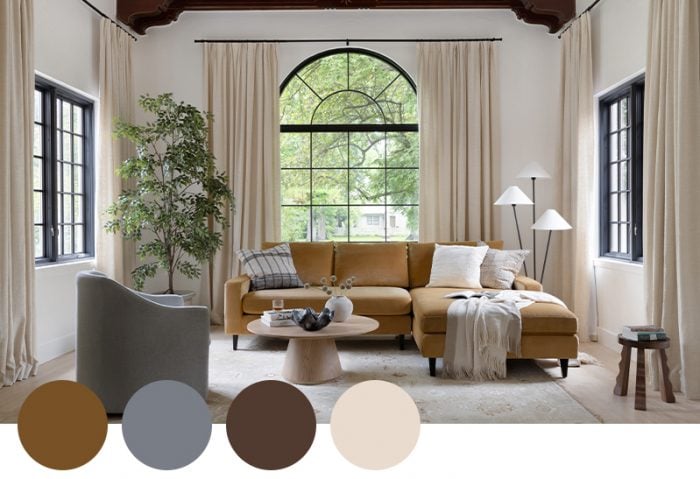
The art of interior design extends beyond furniture and decor; it delves into the world of colors, where each hue contributes to the overall ambiance of a space. Choosing the right colors for your interiors is a powerful tool that can transform a room from mundane to magnificent. In this article, we explore the profound effects of color on interior spaces and how you can leverage them to create a harmonious and visually appealing home.
- Setting the Tone with Warm Tones:
Warm colors such as reds, oranges, and yellows have the remarkable ability to evoke feelings of coziness and intimacy. When used in interiors, these hues can create a welcoming atmosphere, making a room feel more inviting and comfortable. Consider incorporating warm tones in areas where you want to encourage socialization, such as the living room or dining area.
- Cool Serenity in Blues and Greens:
On the contrary, cool colors like blues and greens are renowned for their calming and soothing effects. Bedrooms and bathrooms, where relaxation is paramount, benefit from these tranquil tones. Subdued blues can mimic the serenity of a clear sky or calm waters, while greens evoke the refreshing ambiance of nature.
- Neutral Elegance:
Neutrals such as whites, grays, and beiges provide a timeless and versatile canvas for any interior. These colors serve as a backdrop, allowing other elements in the room to shine. Neutral interiors are not only sophisticated but also offer a blank slate for you to play with textures, patterns, and accent colors.
- Bold Statements with Accents:
While neutrals create a timeless base, bold accent colors inject personality and flair into a space. Whether it’s a vibrant throw pillow, a bold piece of artwork, or a statement furniture piece, accents can add excitement and focal points to your interiors. Experimenting with accents also allows you to change the mood of a room without a complete overhaul.
- Small Spaces, Big Impact:
In smaller spaces, color can play a pivotal role in creating the illusion of expansiveness. Lighter colors, especially whites and pastels, reflect natural light and make a room feel more open and airy. Strategic use of mirrors and light-colored furnishings can amplify this effect, making small rooms appear larger and more inviting.
- Mindful Color Psychology:
Color psychology, the study of how colors affect human behavior and emotions, is an essential aspect of interior design. For instance, blues are associated with calmness and productivity, making them suitable for home offices. Yellows can promote positivity and energy, making them an excellent choice for kitchens and dining areas.
Conclusion:
In the realm of interior design, the impact of color cannot be overstated. Whether you seek tranquility, warmth, or a vibrant atmosphere, the colors you choose can shape the mood and personality of your living spaces. Embrace the palette that resonates with your style and preferences, and let the transformative power of color elevate your home to new heights of beauty and comfort.
 hakankemalstudio
Leave a comment