
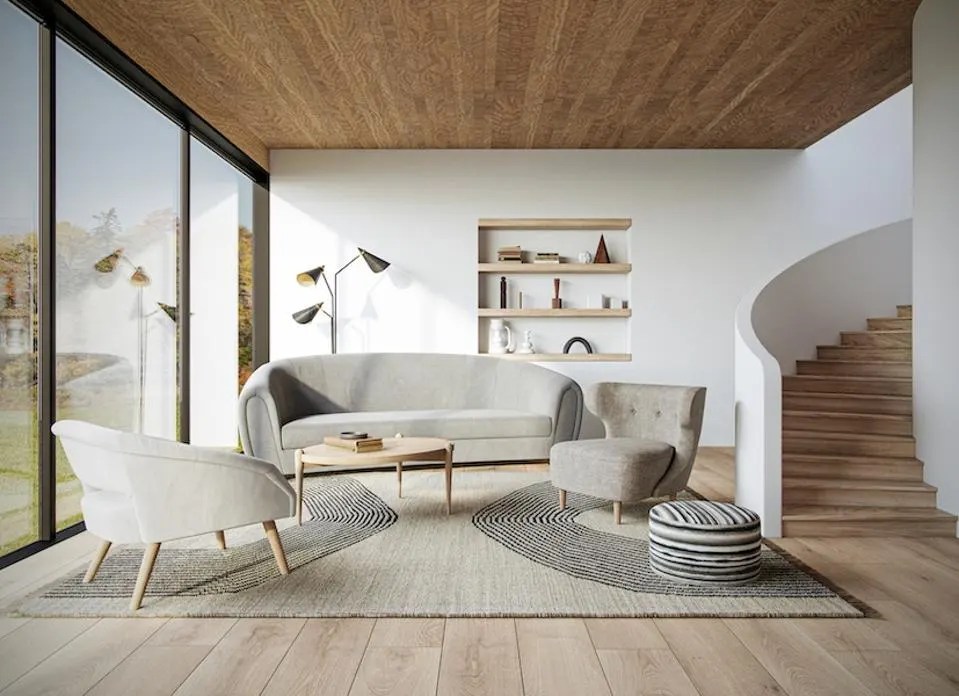
Introduction:
In the fast-paced and ever-evolving world we live in, the significance of design extends far beyond aesthetics. Design plays a crucial role in shaping our surroundings, influencing our emotions, and ultimately enhancing our quality of life. Whether it’s the layout of our homes, the functionality of our gadgets, or the user interface of our favorite apps, design has the power to create a better living experience. In this article, we’ll explore how thoughtful and intentional design can contribute to a more fulfilling and enjoyable life.
- Functional Spaces: A well-designed living space isn’t just visually appealing; it’s also highly functional. Designing a home or workspace with efficiency and purpose in mind can greatly improve daily routines. From ergonomic furniture that promotes good posture to clever storage solutions that maximize space, thoughtful design transforms spaces into practical and organized environments. This not only saves time but also reduces stress by eliminating unnecessary clutter and confusion.
- Aesthetic Harmony: Beauty is more than skin deep, and the same holds true for design. Aesthetically pleasing surroundings have a positive impact on our mood and well-being. Choosing colors, patterns, and textures that resonate with our personal preferences can create an atmosphere of harmony and balance. Whether it’s the calming hues of a bedroom, the vibrant colors in a living room, or the soothing tones of a workspace, intentional design choices contribute to a visually satisfying and emotionally uplifting environment.
- User-Friendly Technology: In an era dominated by technology, the design of our digital tools significantly influences our daily experiences. User-friendly interfaces, intuitive navigation, and visually appealing graphics make technology more accessible and enjoyable. From smartphones to websites and software applications, prioritizing user experience design results in seamless interactions, reducing frustration and enhancing the overall efficiency of our digital lives.
- Sustainable Design: As we become more environmentally conscious, sustainable design practices are gaining prominence. Designing with sustainability in mind involves selecting eco-friendly materials, optimizing energy efficiency, and minimizing waste. From energy-efficient home appliances to eco-conscious architecture, sustainable design not only benefits the planet but also creates healthier and more resilient living environments for individuals and communities.
- Cultural and Emotional Connection: Design has the power to evoke emotions and create a sense of cultural connection. Incorporating elements from one’s heritage or integrating culturally significant artifacts into living spaces can provide a sense of identity and belonging. Personalized design choices, such as family photographs, heirlooms, or artwork, contribute to an emotionally enriched living experience.
- Innovative Solutions: Design thinking encourages innovative problem-solving. Whether it’s reimagining urban spaces for better community engagement or creating products that simplify daily tasks, innovative design solutions enhance the overall quality of life. Designers constantly strive to find creative ways to address challenges, leading to the development of products and spaces that contribute to a more enjoyable and efficient lifestyle.
Conclusion:
In essence, design is a powerful tool that goes beyond mere aesthetics; it is a key player in crafting a better living experience. From functional and aesthetically pleasing spaces to user-friendly technology and sustainable practices, thoughtful design choices have the potential to positively impact our daily lives. By recognizing the transformative power of design and incorporating it into various aspects of our lives, we can create environments that not only look good but also contribute to our well-being and happiness.


Leave a comment