
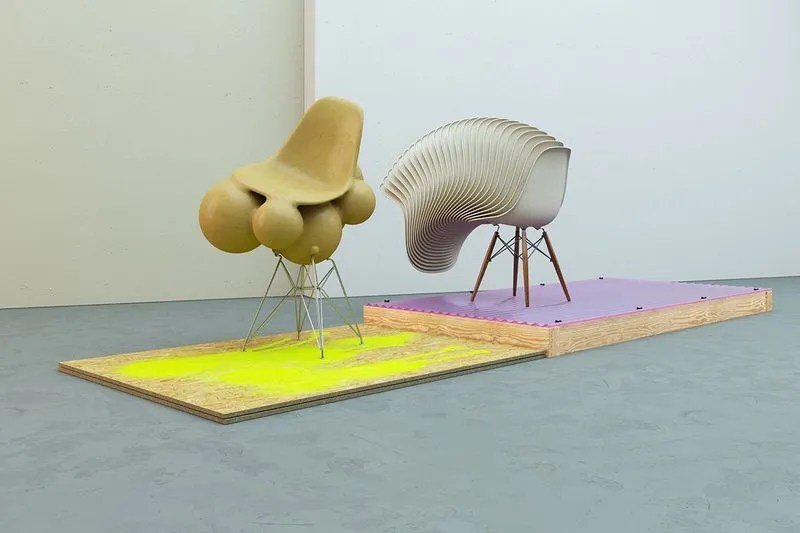
Pushing Boundaries: The World of Experimental Furniture Designs
In the ever-evolving realm of design, a cadre of innovative creators is pushing boundaries and redefining our understanding of furniture. Experimental furniture designs, often characterized by unconventional forms, materials, and functionalities, are challenging the status quo and inviting us to reconsider the relationship between utility and aesthetics.
Breaking the Mold:
Experimental furniture design is a playground for those who dare to think beyond the conventional. Designers in this realm view furniture as more than just functional objects; they see them as expressions of creativity, statements of individuality, and even as works of art. Breaking away from traditional constraints, experimental designs explore new possibilities, unencumbered by established norms.
Unconventional Materials:
One of the hallmarks of experimental furniture design is the use of unconventional materials. From repurposed industrial components to sustainable, eco-friendly alternatives, designers are exploring the vast spectrum of possibilities. Furniture crafted from recycled plastics, reclaimed wood, and even unexpected materials like cardboard or glass fibers challenge our preconceptions and highlight the potential for sustainable, forward-thinking design.
Kinetic and Transformative Designs:
Experimental furniture often goes beyond static forms, incorporating kinetic and transformative elements. Tables that morph in shape, chairs that adapt to body movements, and multifunctional pieces that transform to meet different needs showcase the dynamic nature of experimental design. These pieces blur the lines between sculpture and furniture, inviting users to interact and engage with their surroundings in novel ways.
Technological Integration:
The integration of technology has become a defining feature of experimental furniture. Smart furniture equipped with embedded sensors, LED lighting, and even artificial intelligence create immersive and responsive experiences. These designs not only serve functional purposes but also contribute to the ever-growing Internet of Things (IoT) ecosystem, where our furniture becomes an integral part of the connected home.
Biophilic and Organic Forms:
Inspired by nature, experimental furniture designs often embrace organic, biophilic shapes. From chairs resembling tree branches to tables evoking the flow of water, these pieces seek to connect users with the natural world. The incorporation of natural materials and biomimicry techniques not only adds an aesthetic dimension but also promotes a sense of harmony between the human-made and the natural environment.
Cultural Narratives and Artistic Expression:
Experimental furniture designs frequently draw inspiration from cultural narratives and artistic expression. Pieces may tell stories, evoke emotions, or challenge societal norms. Designs that merge functionality with storytelling become conversation starters, prompting users to contemplate the deeper meanings embedded in the objects they interact with daily.
Challenges and Opportunities:
While experimental furniture designs open up new horizons, they also present challenges. Mass production and commercial viability can be hurdles, as these designs often require specialized craftsmanship or custom manufacturing processes. However, as the demand for unique, personalized experiences grows, there is an increasing market for limited-edition and bespoke experimental furniture.
The Future of Living Spaces:
Experimental furniture designs are not just about creating objects; they’re about shaping the future of how we live, work, and interact with our surroundings. As designers continue to explore uncharted territories, we can anticipate a future where our furniture is not only functional but also a reflection of our evolving values, aspirations, and connections to the world around us.
In conclusion, the world of experimental furniture designs is a vibrant landscape of innovation and creativity. From reimagining materials to embracing technology, these designs challenge us to reconsider the possibilities of furniture in our lives. As we embrace the unconventional, we pave the way for a future where our living spaces are not only functional but also dynamic expressions of human ingenuity.
 hakankemalstudio
Leave a comment