
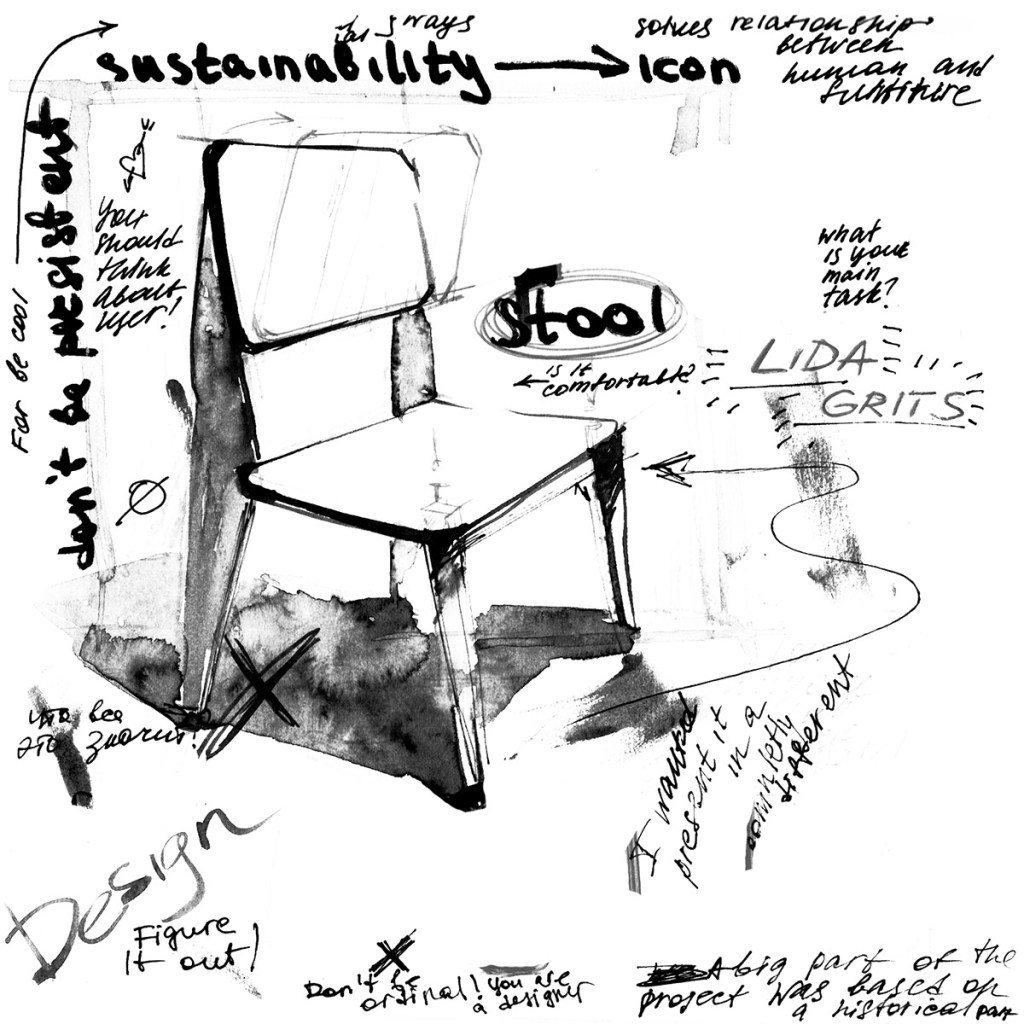
Exploring the Evolution of Furniture Design: A Journey Since 1930
Furniture design is a fascinating journey through time, reflecting the changing tastes, societal shifts, and technological advancements that have shaped the way we adorn our living spaces. Since the 1930s, the world of furniture design has witnessed a myriad of influential movements, iconic designers, and innovative materials. In this exploration, we delve into the evolution of furniture design, decade by decade, capturing the essence of each era.
1930s – Streamlined Simplicity:
The 1930s marked a departure from the ornate designs of the previous decades. Influenced by the Art Deco movement, furniture embraced streamlined shapes and geometric patterns. Chrome, glass, and smooth surfaces characterized this era, with designers like Marcel Breuer and Alvar Aalto introducing innovative materials and functional forms.
1940s – Post-War Functionalism:
Post-World War II, a focus on functionality and simplicity emerged. Scandinavian designers such as Arne Jacobsen and Hans Wegner gained prominence, emphasizing clean lines, organic shapes, and the use of natural materials. The iconic Egg Chair by Jacobsen and the Wishbone Chair by Wegner remain timeless symbols of this era.
1950s – Mid-Century Modern Elegance:
The 1950s witnessed the rise of Mid-Century Modern design, characterized by a marriage of form and function. Designers like Charles and Ray Eames, Eero Saarinen, and George Nelson created iconic pieces that are still celebrated today. The Eames Lounge Chair and Saarinen’s Tulip Table are emblematic of this era’s enduring elegance.
1960s – Pop Art and Plastic Revolution:
The swinging 60s brought a burst of color, experimentation, and unconventional materials. Pop Art influences led to bold, vibrant designs, while plastic became a popular choice for furniture. The Panton Chair by Verner Panton, an iconic molded plastic piece, epitomizes the spirit of this era.
1970s – Eclectic Fusion:
The 1970s embraced an eclectic mix of styles, from the earthy, bohemian influences to futuristic designs. Waterbeds, bean bags, and modular furniture gained popularity. The Memphis Group, founded in the early 1980s but rooted in the late ’70s, challenged traditional design norms with their quirky, postmodern creations.
1980s – High-Tech Aesthetics:
The 1980s saw a blend of high-tech aesthetics and postmodernism. Designers like Philippe Starck and Ettore Sottsass embraced bold colors, unconventional shapes, and a mix of materials. The Ghost Chair by Starck remains an iconic representation of this era’s playful sophistication.
1990s – Minimalism and Sustainability:
The 1990s brought a shift towards minimalism and sustainable design. Clean lines, neutral colors, and a focus on environmental responsibility became prominent. Designers like Jasper Morrison and Patricia Urquiola explored simplicity and eco-friendly materials, setting the stage for the 21st-century design ethos.
2000s and Beyond – Technological Integration and Global Influences:
The 21st century has seen a blend of traditional craftsmanship and cutting-edge technology. Designers like Karim Rashid and Zaha Hadid pushed boundaries with futuristic forms and the integration of smart technology into furniture. Global influences, a resurgence of craftsmanship, and a commitment to sustainability continue to shape contemporary furniture design.
In conclusion, the history of furniture design since the 1930s is a captivating narrative of creativity, innovation, and cultural evolution. Each decade has left its indelible mark on the world of design, contributing to the rich tapestry of styles that define our living spaces today. As we look towards the future, the journey of furniture design remains an ever-evolving exploration of form, function, and the human experience.
 hakankemalstudio
Leave a comment