
Understanding Contemporary Art
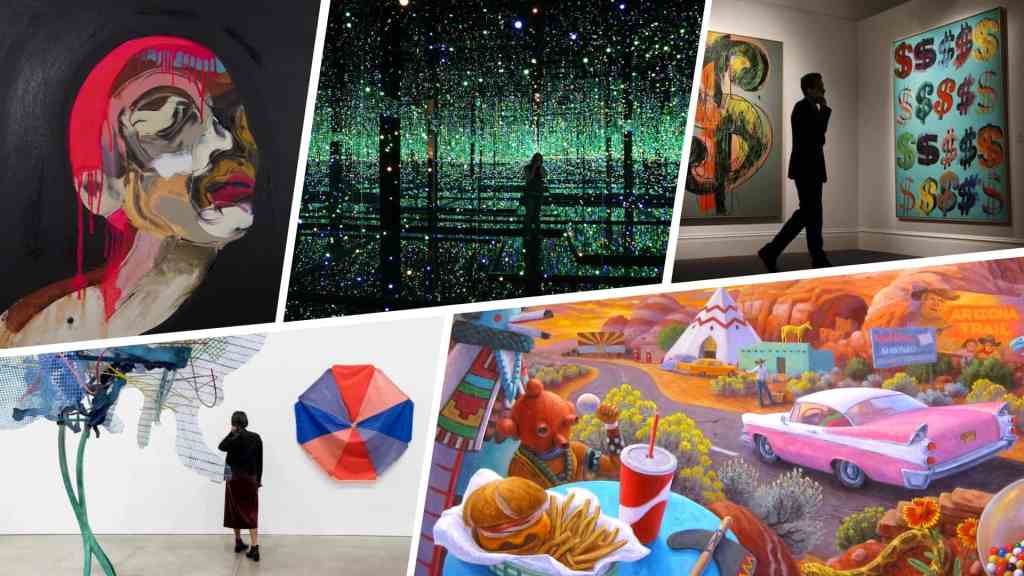
Contemporary art is characterized by a rejection of traditional values and conventions, embracing abstraction, experimentation, and new media[1]. It is defined as art made today by living artists[2]. Contemporary art is not limited to one particular style or medium, but rather encompasses a wide range of artistic practices, including painting, sculpture, photography, installation, performance, and video art[3]. The conceptual focus of contemporary art emphasizes ideas, concepts, and intellectual exploration, often prioritizing the thought process over the final product[4]. These characteristics distinguish contemporary art from traditional art forms and reflect the complex issues that shape our diverse, global society.
The evolution of contemporary art has been shaped by various cultural, social, and technological factors[5]. The innovations of modern art, such as abstraction and experimentation, have had a profound impact on contemporary art[6]. Contemporary artists work in a globally influenced, culturally diverse, and technologically advancing world, which has led to the emergence of new artistic practices and forms[7]. One of the key trends in contemporary art today is the utilization of research and interdisciplinary approaches[8]. Through these approaches, contemporary art continues to evolve and challenge established ideas and norms.
Contemporary art is important in today’s society for several reasons[9][10][11][12]. First, it allows for personal expression and gives voice to the varied and changing cultural landscape[13]. It also challenges established ideas and norms, pushing the boundaries of what is considered art. Moreover, contemporary art is a product and witness of a specific time and era, enabling us to gain historical value and understanding[9]. Finally, the arts stimulate the growth of the creative sector in the economy and play an important part in strengthening and shaping ideas[12]. By providing a platform for creative expression and exploration, contemporary art continues to play a vital role in shaping our society and culture.
Different forms of Contemporary Art
Contemporary art encompasses a wide range of artistic forms, including painting and sculpture[2]. These traditional art forms continue to evolve and adapt to the contemporary world, with artists experimenting with new materials and techniques to create innovative works of art. Contemporary painting and sculpture can range from hyperrealistic depictions of everyday objects to abstract and conceptual works that challenge traditional notions of art and beauty. Some contemporary artists even incorporate living materials, such as trees or plants, into their sculptures, blurring the line between art and nature.
Performance art and installations are also significant forms of contemporary art[14]. These art forms involve creating an experience for the viewer, often through immersive and interactive installations[3]. Performance art is an art piece or exhibition created directly by the artist or a group of artists[15]. It can take many forms, from physical actions to spoken word performances, and often involves audience participation[16]. Installations, on the other hand, are site-specific works that transform a space into an immersive and often surreal environment. These works can include anything from large-scale sculptures to multimedia installations[7]. Many contemporary artists incorporate performance and installation elements into their work, blurring the lines between different artistic forms and creating truly unique and engaging experiences for viewers.
Video art and digital art are two other significant forms of contemporary art[17]. Video art emerged in the late 1960s as a new medium for artistic expression[18]. It involves using video technology as a visual and audio medium to create works of art that challenge traditional notions of narrative and representation[19]. Digital art, on the other hand, breaks boundaries through interactive installations and other technologies[20]. It involves using digital tools and techniques to create works of art that are often interactive and immersive[14]. As technology continues to advance, digital and video art will undoubtedly continue to evolve and push the boundaries of what is possible in contemporary art[21].
In conclusion, contemporary art is a diverse and constantly evolving form of artistic expression that reflects the current social, political, and cultural climate. Its definition and characteristics are not fixed but rather reflect the changing times. The importance of contemporary art in today’s society lies in its ability to challenge and provoke thought, spark conversations, and inspire change. From traditional forms such as painting and sculpture to newer forms like performance art and digital art, contemporary art continues to push boundaries and expand our understanding of what art can be. As we move forward, it is important to continue to support and appreciate the diversity and innovation of contemporary art.
References
1. What Is Contemporary Modern Art?. (n.d.) Retrieved December 2, 2023, from themarshallgallery.com
2. What Is Contemporary Art?. (n.d.) Retrieved December 2, 2023, from walkerart.org/visit/what-is-contemporary-art
3. What is Contemporary Art? Ultimate Guide to the Modern …. (n.d.) Retrieved December 2, 2023, from mymodernmet.com/what-is-contemporary-art-definition/
4. What is Contemporary Art? Definition, Characteristics and …. (n.d.) Retrieved December 2, 2023, from danslegris.com/blogs/journal/what-is-contemporary-art
5. 1.2: Evolution of Modern and Contemporary Art. (n.d.) Retrieved December 2, 2023, from human.libretexts.org
6. From Modern to Contemporary: Art’s Evolution. (n.d.) Retrieved December 2, 2023, from artsartistsartwork.com
7. Contemporary art. (n.d.) Retrieved December 2, 2023, from en.wikipedia.org/wiki/Contemporary_art
8. History and Contemporary Art. (n.d.) Retrieved December 2, 2023, from http://www.historyworkshop.org.uk
9. Why is Contemporary Art Important? CAI. (n.d.) Retrieved December 2, 2023, from http://www.contemporaryartissue.com
10. Why is contemporary art important?. (n.d.) Retrieved December 2, 2023, from homework.study.com
11. Contemporary Art in Context. (n.d.) Retrieved December 2, 2023, from art21.org
12. The Role of Art in Contemporary Society. (n.d.) Retrieved December 2, 2023, from marianacustodio.com
13. Why is contemporary art important?. (n.d.) Retrieved December 2, 2023, from http://www.iesa.edu/paris/news-events/contemporary-art-importance
14. About Contemporary Art (Education at the Getty). (n.d.) Retrieved December 2, 2023, from http://www.getty.edu
15. What is Performance Art — Definition, Examples & History. (n.d.) Retrieved December 2, 2023, from http://www.studiobinder.com
16. Performance art. (n.d.) Retrieved December 2, 2023, from en.wikipedia.org/wiki/Performance_art
17. What is contemporary art?. (n.d.) Retrieved December 2, 2023, from http://www.artsper.com
18. Video art. (n.d.) Retrieved December 2, 2023, from en.wikipedia.org/wiki/Video_art
19. What is Video Art?. (n.d.) Retrieved December 2, 2023, from blog.artsper.com/en/a-closer-look/what-is-video-art/
20. The Purpose of Digital Art in Contemporary Culture. (n.d.) Retrieved December 2, 2023, from http://www.artshelp.com/digital-art-in-contemporary-culture-nfts/
21. Contemporary Art Is Digital Art. (n.d.) Retrieved December 2, 2023, from medium.com
 hakankemalstudio
Leave a comment